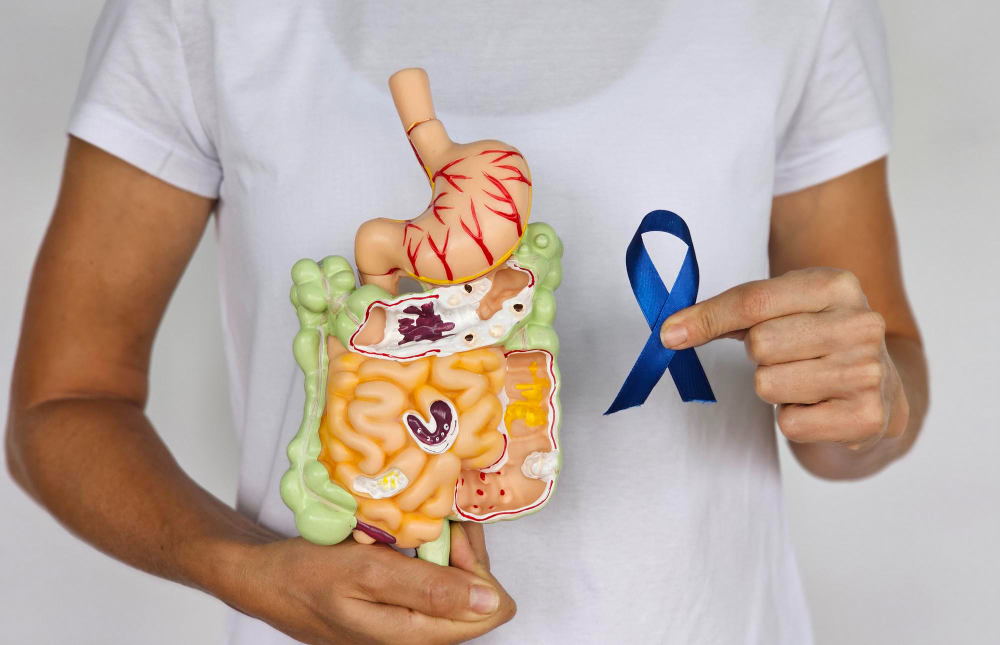
Introduction
Colorectal cancer is a type of cancer that starts in the colon or rectum. It is one of the most common cancers worldwide. According to the CDC, it affects both men and women. Early detection can save lives. However, many people do not notice symptoms until the cancer is advanced. That is why knowing the early signs of colorectal cancer and the importance of screening is crucial.
Early Signs and Symptoms
Often, colorectal cancer does not cause symptoms right away. But, some early signs may appear. Recognizing these can help you seek help sooner. Common early signs of colorectal cancer include:
However, these symptoms can also be caused by other conditions. Even so, it is important to talk to your doctor if you notice any of them.
Causes and Risk Factors
Colorectal cancer develops when cells in the colon or rectum grow out of control. While the exact cause is not always clear, several risk factors can increase your chances. For example, age is a major factor. Most cases occur in people over 50. Other risk factors include:
But, having one or more risk factors does not mean you will get cancer. Still, it is wise to know your risks and take steps to lower them.
Importance of Early Screening
Screening helps find colorectal cancer before symptoms appear. In fact, early screening can detect growths called polyps, which may turn into cancer. Removing these polyps can prevent cancer from developing. According to the WHO, regular screening lowers the risk of dying from colorectal cancer. Therefore, it is important to start screening at the recommended age, usually 45 or 50, or earlier if you have risk factors.
Screening Methods
There are several ways to screen for colorectal cancer. Your doctor can help you choose the best option. Common screening methods include:
Each method has pros and cons. For example, colonoscopy is very thorough, but it requires preparation. Stool tests are easy, but may need to be done more often.
Prevention Tips and Lifestyle Guidance
While not all cases can be prevented, you can lower your risk. Simple lifestyle changes make a big difference. Here are some tips on how to prevent colon cancer:
Additionally, talk to your doctor about your personal risk. They can help you make a plan that fits your needs.
When to See a Doctor
It is important to see a doctor if you notice any early signs of colorectal cancer. For instance, if you have blood in your stool or ongoing changes in bowel habits, do not wait. Early action can lead to better outcomes. Also, if you have a family history of colorectal cancer, ask your doctor when to start screening.
Conclusion
Colorectal cancer can be serious, but early detection saves lives. Knowing the early signs and getting regular screening are key steps. Moreover, healthy habits can lower your risk. If you have concerns or questions, consult Dr. Sainath Bhethanabhotla for personalized guidance.