Introduction
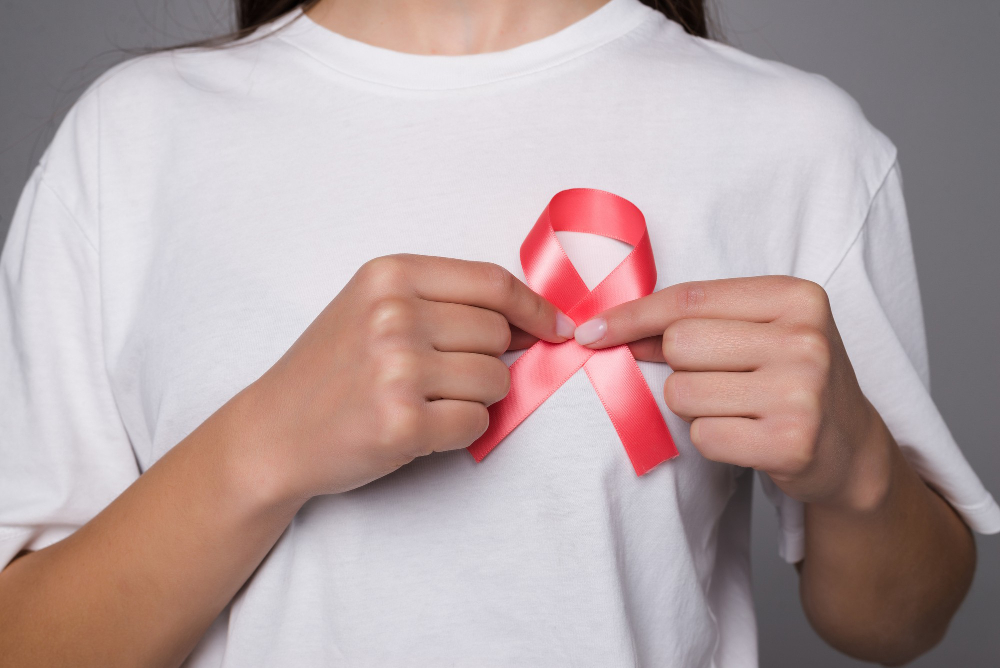
Breast cancer is one of the most common cancers in women worldwide. Early detection of breast cancer can save lives. Knowing the early signs and learning how to perform a breast self-examination are important steps. In the United States, regular self-checks and screenings help many people find breast cancer early. This blog will guide you through the early signs and self-examination steps.
What Is Breast Cancer?
Breast cancer starts when cells in the breast grow out of control. These cells can form a lump or mass. Sometimes, cancer can spread to other parts of the body. Both women and men can get breast cancer, but it is much more common in women. According to the CDC, breast cancer is the most common cancer among women in the United States.
Why Early Detection Matters
Early detection of breast cancer increases the chances of successful treatment. When found early, breast cancer is often easier to treat. As a result, survival rates are higher. Regular self-exams and screenings help catch changes before they become serious. Therefore, it is important to check your breasts often and know what is normal for you.
Early Signs and Symptoms of Breast Cancer
It is important to know the early signs of breast cancer. Not all lumps are cancer, but any change should be checked by a doctor. Common early signs include:
If you notice any of these signs, it is important to talk to your doctor. Early action can make a big difference.
How to Perform a Breast Self-Examination
Doing a breast self-examination each month helps you notice changes early. Here is a simple step-by-step guide:
Repeat these steps every month. If you notice any changes, contact your healthcare provider.
When to See a Doctor
If you find a lump or notice any changes in your breasts, do not panic. Most changes are not cancer. However, it is always best to have a doctor check. You should see a doctor if:
Early consultation helps rule out serious problems and gives peace of mind.
Tips for Breast Health and Prevention
While not all breast cancers can be prevented, healthy habits can lower your risk. Here are some tips:
By following these tips, you can support your breast health and overall well-being.
Conclusion
Early awareness and regular breast self-examinations play an important role in detecting breast changes at the right time. If you notice any unusual symptoms or changes, timely medical evaluation is essential. Sainath Bhethanabhotla provides expert guidance and personalized care for breast health concerns. Consult a healthcare specialist for proper evaluation and support.