Introduction
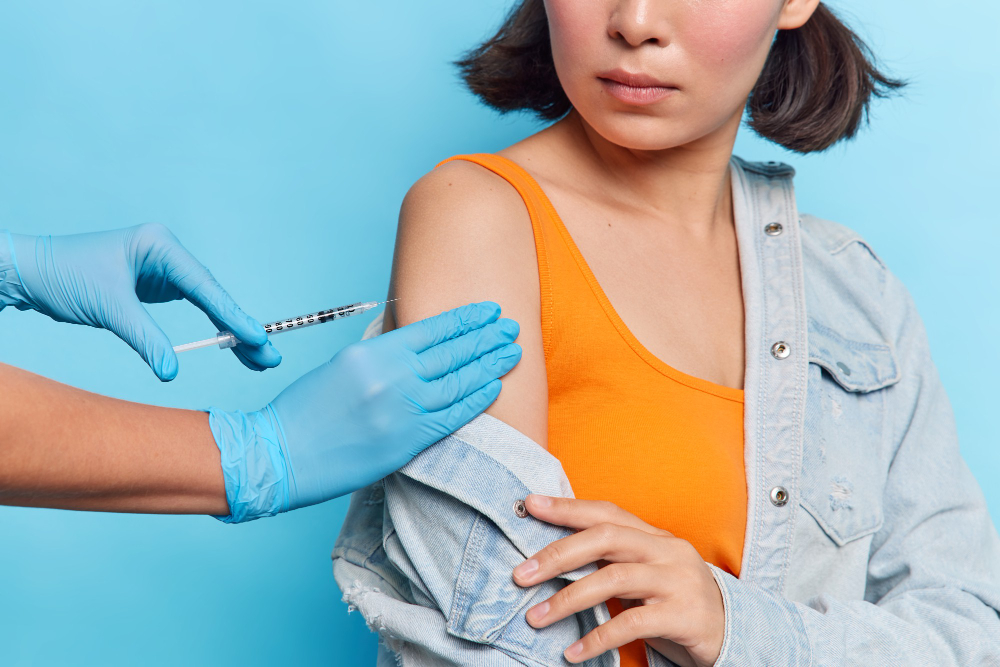
Cervical cancer is a serious health risk for women worldwide. However, HPV vaccination and cervical cancer prevention are closely linked. The HPV vaccine helps stop the virus that causes most cervical cancers. In fact, learning how HPV vaccine prevents cervical cancer can save lives. There are many benefits of HPV vaccination, and knowing cervical cancer prevention tips can help you stay healthy. Early action makes a big difference.
What is HPV and How Does it Cause Cervical Cancer?
HPV stands for human papillomavirus. It is a common virus that spreads through skin-to-skin contact, often during sexual activity. Although most HPV infections go away on their own, some types can cause cervical cancer. For example, high-risk HPV types can change the cells in the cervix. Over time, these changes may lead to cancer if not treated. According to the World Health Organization (WHO), almost all cervical cancer cases are linked to HPV infection.
Why is HPV Vaccination Important?
HPV vaccination is a powerful tool for cervical cancer prevention. Because the vaccine protects against the most dangerous HPV types, it greatly lowers the risk of cancer. In addition, the vaccine can prevent other health problems caused by HPV, such as genital warts. Studies from the Centers for Disease Control and Prevention (CDC) show that HPV vaccination can reduce cervical cancer rates by up to 90%. Clearly, getting vaccinated is one of the best ways to protect your health.
Who Should Get the HPV Vaccine and When?
It is best to get the HPV vaccine before becoming sexually active. However, people who are already sexually active can still benefit. The CDC recommends:
Starting early gives the best protection.
Effectiveness and Safety of the HPV Vaccine
Many studies show the HPV vaccine is safe and effective. For instance, millions of doses have been given worldwide with very few serious side effects. Most people only have mild reactions, such as a sore arm or mild fever. The vaccine works best when given before exposure to HPV. According to the CDC, the vaccine can prevent up to 90% of cervical cancers. Because of this, health experts strongly recommend it for young people.
Common Myths and Facts About HPV Vaccination
There are many myths about HPV vaccination. Let’s look at the facts:
How to Access HPV Vaccination
Getting the HPV vaccine is easy in many places. For example, you can ask your family doctor or visit a local health clinic. Many schools and community centers also offer vaccination programs. In some areas, public health departments provide free or low-cost vaccines. If you are unsure where to go, check your local health department’s website or ask your healthcare provider for guidance. Early action can make a big difference in your health.
Prevention Tips Beyond Vaccination
While HPV vaccination is key, there are other ways to lower your risk of cervical cancer:
Combining these steps with vaccination gives you the best protection.
Conclusion
HPV vaccination and cervical cancer prevention go hand in hand. Because the vaccine is safe and effective, it is one of the best ways to protect your health. For more information, consult Dr. Sainath Bhethanabhotla to learn about HPV vaccination and how you can protect yourself against cervical cancer.