Introduction
Smoking and cancer risk are closely linked. Smoking means inhaling tobacco smoke from cigarettes, cigars, or pipes. Many people know smoking is harmful, but not everyone understands how it raises the risk of cancer. In fact, smoking is the leading cause of preventable cancer worldwide, according to the World Health Organization (WHO). Because of this, learning about the dangers of smoking and cancer risk is important for everyone.
How Smoking Increases Cancer Risk
When you smoke, harmful chemicals enter your body. These chemicals damage your cells. Over time, this damage can cause cells to grow out of control, which leads to cancer. For example, tobacco smoke contains over 70 chemicals known to cause cancer. Even if you do not smoke, breathing in secondhand smoke can also increase your cancer risk. Therefore, avoiding tobacco smoke is key for cancer prevention.
Types of Cancer Linked to Smoking
Smoking is linked to many types of cancer. Some of the most common smoking-related cancers include:
In fact, the Centers for Disease Control and Prevention (CDC) states that smoking causes about 90% of all lung cancer deaths.
Symptoms to Watch For
Early cancer symptoms can be mild or easy to miss. However, it is important to watch for warning signs, such as:
If you notice any of these symptoms, see a doctor as soon as possible. Early detection can make treatment more effective.
Diagnosis and Screening
Doctors use several tests to find cancer early. For example, they may use imaging scans, blood tests, or tissue samples (biopsies). In some cases, regular screening is recommended for people at higher risk, such as long-term smokers. For lung cancer, a low-dose CT scan can help find cancer before symptoms appear. Because early diagnosis saves lives, talk to your doctor about screening if you smoke or used to smoke.
Prevention and Quitting Smoking
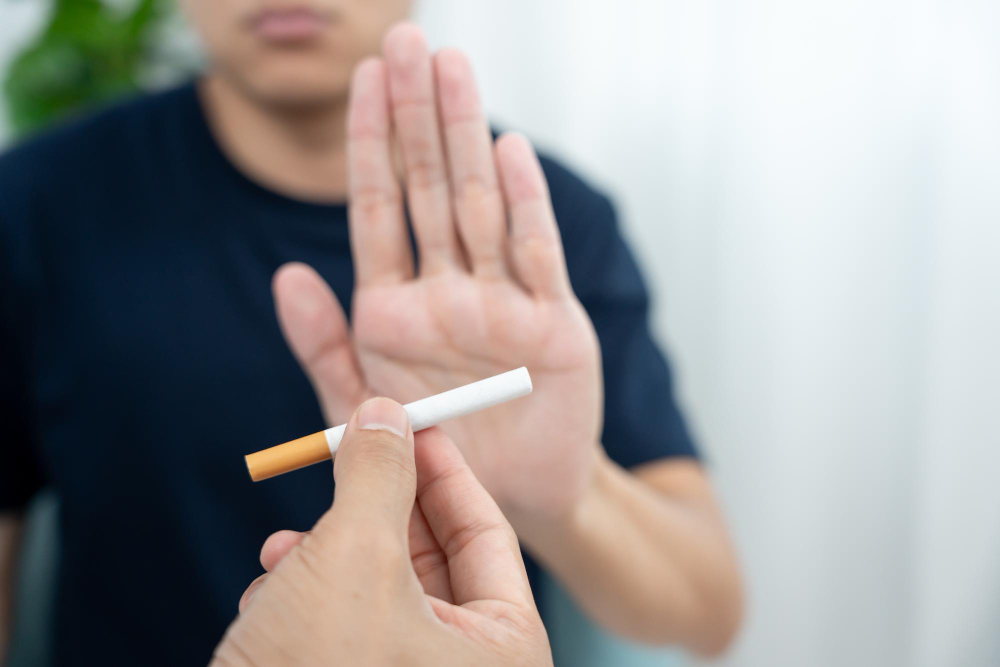
The best way to lower your cancer risk is to quit smoking. Even if you have smoked for years, stopping now can greatly reduce your risk. In addition, avoiding secondhand smoke helps protect your loved ones. Here are some steps to help you quit:
Remember, quitting smoking is hard, but many people succeed with the right support.
Lifestyle Tips for Reducing Cancer Risk
Besides quitting smoking, you can lower your cancer risk by making healthy choices. For example:
Because small changes add up, start with one or two tips and build healthy habits over time.
Conclusion
In summary, smoking and cancer risk are strongly connected. Quitting smoking is the best step you can take for your health. If you need help, consult a healthcare professional, Dr Sainath Bhethanabhotla for personalized advice on quitting smoking and reducing your cancer risk.