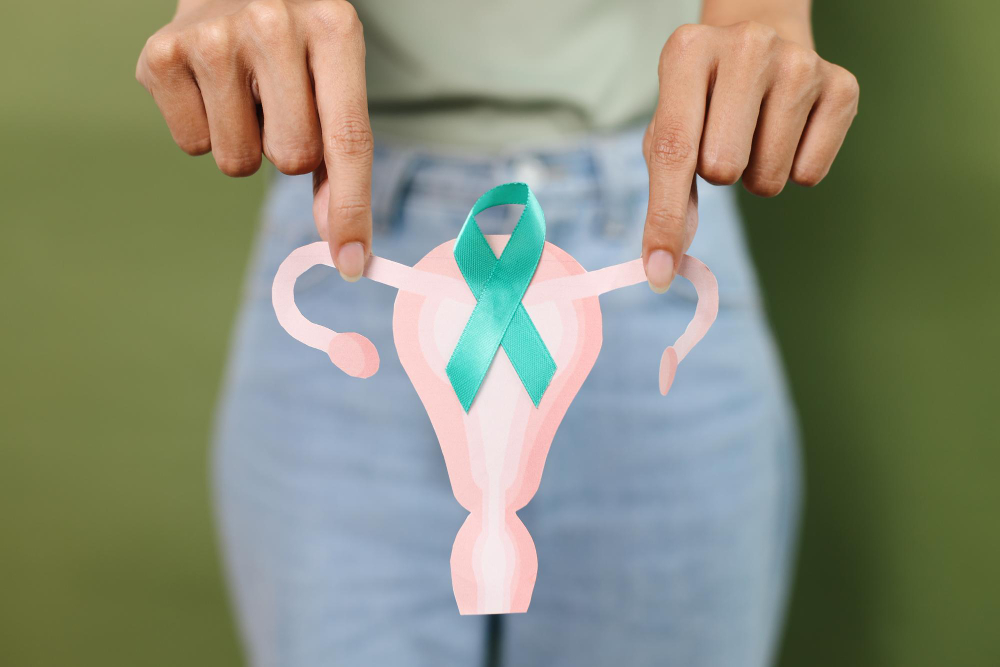
What is Ovarian Cancer?
Ovarian cancer is a type of cancer that starts in the ovaries. The ovaries are small organs in a woman’s lower belly. They make eggs and female hormones. Ovarian cancer can be serious because it is often found late. Early detection can help improve outcomes. For this reason, knowing about ovarian cancer is important for women everywhere, including in cities like New York, London, and Mumbai.
According to the World Health Organization (WHO), ovarian cancer is one of the most common cancers in women. It can affect women of any age, but it is more common after menopause. Although it is less common than breast cancer, it can be harder to detect early.
Common Symptoms of Ovarian Cancer
Ovarian cancer symptoms can be hard to notice at first. However, some signs may appear as the cancer grows. It is important to pay attention to changes in your body. Early symptoms may include:
Sometimes, these symptoms are caused by other, less serious conditions. Still, if they last for more than a few weeks, you should see a doctor. Early action can make a big difference.
Causes and Risk Factors
Doctors do not know the exact cause of ovarian cancer. However, some factors can increase your risk. Knowing these can help you stay aware. Common risk factors include:
On the other hand, some factors may lower your risk. For example, having children, using birth control pills, or breastfeeding may help protect against ovarian cancer. Still, no method can prevent it completely.
How Ovarian Cancer is Diagnosed
Diagnosing ovarian cancer can be challenging. Often, symptoms are mild or mistaken for other problems. If your doctor suspects ovarian cancer, they may use several tests. These can include:
Early diagnosis is key. Therefore, regular check-ups and talking to your doctor about any changes are important steps.
Treatment Options for Ovarian Cancer
Treatment for ovarian cancer depends on the stage and type of cancer. Your doctor will create a plan that fits your needs. Common treatment options include:
Sometimes, a combination of treatments is used. Side effects can happen, but your healthcare team will help manage them. New treatments and clinical trials are also available in many locations worldwide.
Prevention and Lifestyle Tips
While you cannot always prevent ovarian cancer, some steps may lower your risk. For example, you can:
Additionally, staying informed and aware of your body’s changes can help. Early detection is often the best defense.
Conclusion
Ovarian cancer is a serious disease, but early awareness can save lives. If you notice any symptoms or have risk factors, talk to your doctor. For personalized advice about ovarian cancer, consult Dr. Sainath Bhethanabhotla